Rubbish Clearance in London

Mega Waste provides rubbish clearance in London for households, landlords, shops and offices that need unwanted items taken away with care and sensible sorting. Our service is built around straightforward collection of general rubbish, bulky items and mixed waste streams, with a clear focus on removing what is no longer needed and arranging disposal responsibly. If you are comparing options, the main aim is simple: a practical clearance that reduces disruption and leaves the space easier to use.
We handle a wide range of common clearance jobs, from single-item uplift to fuller room, loft, garage or office clearances. Every job starts with the waste itself, so the service can be matched to what is actually there rather than forced into a one-size-fits-all approach. That matters because different materials, access arrangements and item types can affect how the work is planned and what vehicle space is needed.
For a quotation, you can get in touch with the details of what needs removing and the area it is in. The most useful information is the type of waste, approximate volume and any access points that may affect collection. If you already know the items include furniture, appliances or mixed household rubbish, mention that when you ask. A brief description is enough to begin.
What our rubbish clearance service covers
Our rubbish clearance service is designed for everyday unwanted items and non-hazardous waste that has built up in homes, rental properties, workplaces and communal spaces. That can include bagged rubbish, broken household items, old furnishings and general clutter that is ready to be removed. We aim to keep the process practical and tidy, with collections organised so the load can be removed efficiently and sent for the appropriate disposal route.
The benefit of a dedicated clearance service is that it can handle mixed loads instead of requiring you to separate everything perfectly in advance. Where suitable, reusable items and recyclable materials can be identified within the load so the disposal route is more considered. Waste clearance is a useful option when you want a broader collection of mixed items, while more specific pages may suit if you already know the type of item involved. These choices help customers match the service to the job, rather than overpaying for a more specialised removal than they need.
Common clearance tasks can include:
- general household rubbish and bagged waste
- bulky items from sheds, lofts, garages or storage spaces
- discarded office contents and light commercial rubbish
- mixed loads that include reusable and recyclable materials
- single items that are too awkward for ordinary bin collections
Bulky items, furniture and appliance removal

Some jobs are less about loose rubbish and more about large items that need lifting out cleanly. Furniture, mattresses, sofas, fridges and white goods all create different handling requirements, so a careful collection plan helps keep the removal controlled. We can support customers who need bulky items taken away after a move, refurbishment, tenant changeover or simple replacement of old furniture. The emphasis is on removing the item without creating extra mess or delay.
Where a collection includes bigger household pieces, item-specific pages can help you choose the nearest match to your needs. A sofa or mattress job is different from a mixed rubbish load, and appliance removal also has its own handling considerations. For example, a fridge or freezer may need a more appropriate treatment route than an ordinary piece of furniture. This is why the right destination matters: it helps customers understand what the service includes before they request a price.
Furniture clearance is suitable when chairs, tables, wardrobes or similar items are the main part of the job, while a collection focused on heavier domestic pieces may also involve specialised routes such as sofa collection or fridge disposal. If you are clearing several categories at once, we can usually discuss a broader rubbish removal plan rather than treating everything as a separate booking. That keeps the conversation focused on the actual load and the access needed to remove it.
House, flat and home clearances
Full-property clearance work is often needed when a home must be emptied after a move, refurbishment, letting changeover or long-term declutter. A house clearance can involve multiple rooms, loft contents, basement storage, furniture, loose rubbish and mixed items that have accumulated over time. Flat clearance may require more attention to stairs, lift access and shared entrances, so the practical side of the work becomes especially important. The service is intended to make that process more organised and less cumbersome.
When a property contains a mixture of household items, it helps to think in terms of spaces and item groups rather than trying to sort every object in detail before speaking to us. If some belongings are staying and others are going, mention that clearly so the collection can be planned around what remains in place. This is one of the reasons a tailored quotation matters: the scope of the work often depends on volume, item type and the ease of removal through the building.
For larger domestic jobs, related service pages such as house clearance, flat clearance and home clearance can help you compare the likely fit. We also handle common sub-jobs such as loft clearance and garage clearance, which are often the spaces where bulky and forgotten items accumulate. A practical plan makes these clearances easier to move through in stages when needed.
Commercial and office rubbish removal

Businesses often need rubbish removed quickly enough to keep work areas usable, but also carefully enough to protect equipment, stock and shared access routes. Office clearance and business waste removal may involve desks, chairs, filing items, packaging, surplus fixtures or general operational waste. We can support straightforward commercial clearances where the main requirement is getting the space back into order with minimal fuss. The work is different from domestic clearance because the mix of items and the timing of access can be more specific.
In commercial settings, it is usually helpful to separate what is waste from what may still be reused, archived or transferred elsewhere. That does not mean the customer must do all the sorting in advance; it simply means the quotation will be more accurate when the load type is clear. If there are lift restrictions, loading bay issues or building rules, those details also matter. They can affect how a collection is arranged and what equipment or time slot is suitable.
Relevant pages such as office clearance, business waste removal and office clearance reflect the kinds of commercial jobs we are set up to discuss. For mixed workspaces, a broader rubbish removal approach may be the simplest route when the items do not fit neatly into a single category. If you need to compare service types, it is usually better to describe the actual items first and then choose the closest match together.
Garden, builders and renovation waste
Outdoor and refurbishment jobs create waste that is different from ordinary household rubbish, so the collection needs to reflect that. Garden clearance may involve branches, soil, cuttings, old planters, damaged outdoor furniture and general green waste. Builders' waste clearance can include packaging, offcuts, rubble, broken fittings and other renovation leftovers. Both types of work benefit from careful sorting because the load often contains a mix of heavier and lighter materials.
When a renovation is under way, waste builds up in ways that can interrupt progress if it is left too long. The right clearance can help reduce that pressure by taking away the material that is already ready to go. It is worth noting that some materials need specific handling or may not belong in a standard mixed load, so clear description is useful. A simple breakdown of the main waste categories usually gives enough information to prepare a sensible price.
Garden clearance is a good fit for outdoor waste, while builders waste clearance suits renovation debris and related site waste. Where the load is broader and less easily defined, bulky waste collection can be a practical option for larger articles that do not fit into ordinary bin capacity. These services overlap, but each one helps set expectations about the sort of waste involved and the likely handling requirements.
How to request a quotation
To prepare a quotation, it helps to share a concise description of the waste, the location, the floor or access details and whether the items are already grouped together. Photographs can be useful when they show the scale of the load, but they are not the only way to explain the job. If there are any items that need particular care, such as appliances, mirrors or heavy wardrobes, mention that too. Clear information usually makes the quotation more accurate and the collection easier to organise.
We also recommend noting whether the waste is inside a property, in a garden, at the front of a building or in a communal area. That small distinction can affect lifting distance and access, which are often important in rubbish clearance work. If you know the approximate number of bags, boxes or large pieces, include that as well. This keeps the quote focused on the real task rather than broad assumptions, and it helps you compare the service with others on a like-for-like basis.
If you are ready to move ahead, request a quotation with a brief description of the items and where they are located. For general pricing information, pricing and quotes may also be useful before you send a message. The clearer the description, the easier it is to plan the collection properly and provide a sensible answer.
Recycling, reuse and disposal choices
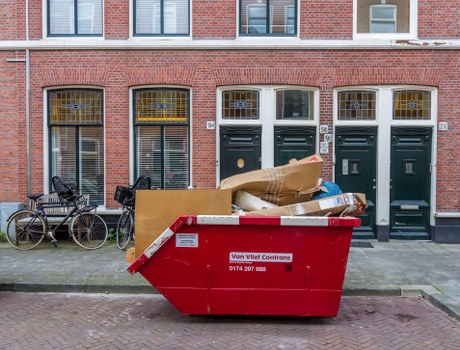
Not every item in a clearance job follows the same disposal route. Some loads contain materials that can be separated for recycling, while others may include furniture or appliances that need careful handling before they reach the correct facility. A thoughtful clearance process considers the type of material, the condition of the item and whether anything can be diverted from general waste. That approach is more practical than treating every collection as identical.
Customers often want reassurance that the service can cope with mixed waste without turning the job into a sorting exercise for them. The aim is to keep the collection manageable while still paying attention to what can reasonably be reused or recycled. Where a load includes a known item such as a mattress or white goods, the route may be more specific. For broader waste, the important part is making sure the mix is described clearly so the collection can be matched to the right disposal process.
Useful related pages include recycling and sustainability, waste disposal and white goods recycle. These pages help set expectations around how different items are handled once removed. If your job includes several types of material, the quotation can be based on the full load rather than a single item category, which is usually the simplest way to plan a clearance.
About London
London is a large and historically layered city shaped by the River Thames, a long sequence of settlement and expansion, and a distinctive pattern of boroughs, districts and commercial centres. The city contains a wide variety of architectural periods, from surviving fragments of the medieval and early modern capital to the planned squares, terraces and civic buildings of later centuries. In the centre, historic areas such as the City, Westminster and the riverfront form a dense core of government, finance, culture and tourism. Beyond that core, the city broadens into residential neighbourhoods with their own identities, local high streets and transport links. The result is a place that is both cohesive and highly varied. London’s cultural life is equally broad. Major institutions sit alongside smaller theatres, galleries, museums, markets and music venues, while annual events and everyday street life give the city a strong public character. The Thames remains one of the most recognisable features of the capital, crossed by bridges old and new and lined with paths, piers and riverside spaces. Royal parks, commons and smaller green areas offer contrast to the built environment, and districts such as Camden, Shoreditch, Kensington and Greenwich are known for their distinct combinations of history, commerce and neighbourhood atmosphere. The city’s transport network, including Underground, rail, bus and river services, has long helped shape its growth and continues to connect its many parts. London also retains visible traces of change through reconstruction, redevelopment and conservation. The Great Fire, wartime damage, post-war rebuilding and contemporary development have each left marks on the urban landscape. That layered character means the city can feel ancient and modern at once, with streets and buildings from different eras standing close together. In everyday use, people move between administrative boundaries, historic parishes, market streets and newer estates without always noticing the transitions. This mix of continuity and reinvention is one of the features that gives the capital its enduring character.
Domestic clearance for moving, downsizing and decluttering
Domestic rubbish clearance is not only about broken or discarded items; it can also support people who are reorganising a home, changing how a room is used or reducing the amount of stored belongings. Some customers want to clear one problem area, while others need several rooms tackled at once. The service can be shaped around the kind of load involved, whether that means old furniture, packaging, stored clutter or a mixture of household items that have been building up over time.
Downsizing and decluttering jobs often work best when the customer has a rough idea of what is staying and what is leaving. That does not require a detailed inventory, but it does help to separate keepsakes, donations and waste before collection day where possible. The clearance itself can then focus on the items that are definitely ready to be removed. This is especially useful in homes with limited access or in rooms where larger items need to be lifted out carefully.
For households that want a wider household uplift, pages such as house clearance, home clearance and rubbish clearance help describe the service in different ways. If the main issue is only one bulky piece, something like large item collection may be enough. Choosing the closest service page helps keep the quotation discussion focused and avoids paying for a scope that is broader than necessary.
Planning a collection that suits the load

A well-planned clearance begins with the load itself: what needs to go, how much space it takes and whether there are any awkward items among it. The more precise the description, the easier it is to match the job to the right collection. This is true whether the work is a simple furniture uplift, a mixed rubbish removal or a fuller property clearance. Planning around the actual waste also helps avoid surprises on the day.
When arranging a quotation, keep the description practical. Note the type of items, their approximate number and any access considerations such as stairs, narrow corridors or shared entrances. If the waste includes a mixture of domestic and commercial material, say so plainly. A clear picture of the collection helps us decide whether the job is best treated as general rubbish clearance, bulky waste collection or a more specific removal type. It also makes it easier to understand how much labour and vehicle space may be needed.
If you are comparing options, start with the main service that best fits the waste and then ask for a price based on the actual items involved. You can request a quotation in plain language and keep it brief. For the cleanest route forward, use the closest service page where needed and then ask for a quotation today.