Mega Waste Pricing & Free Quote Policy
 At Mega Waste, we believe in complete transparency so you know exactly what you're paying for before any work begins. Our straightforward pricing model removes surprises by offering clear options: load-based rates or simple cubic-yard pricing. Whether you're a homeowner clearing out a suburban ranch, a property manager at a downtown condo building, or a business cleaning up a busy commercial strip, our goal is to make costs predictable and fair.
We describe costs in plain language and itemize charges so your estimate is easy to compare. This page explains how our MegaWaste rates are calculated, shows sample jobs with realistic estimates, and lays out our free quote policy. We use multiple pricing styles to fit different projects ??? some customers prefer paying by the truckload when debris is bulky and irregular, while others save money by paying per cubic yard for neatly stacked materials.
![A row of seven large, upright green wheelie bins made of durable plastic with closed, hinged lids, positioned on a paved surface against a plain white wall with small horizontal vents near the top. The bins are lined up closely, some slightly overlapping, and appear to be for domestic waste collection in a residential or commercial area. The bins are designed with a textured surface and are set on black wheels for easy mobility. To the left, part of an additional green bin is visible, partially cut off from the frame. The environment suggests an alleyway or side access point, with natural daylight casting soft shadows on the wall and ground. This arrangement of waste containers aligns with local rubbish collection practices, including those in [POSTCODE] and towns surrounding [TOWN], serving household waste disposal needs. The scene reflects a typical waste management setup as managed by companies such as Mega Waste near [POSTCODE].](/pub/_photos/rubbish/f1348141056.jpg) Our pricing approach is designed to be flexible. You can choose load-based pricing when you have unpredictable or mixed waste types, or opt for cubic-yard rates when debris can be measured and stacked efficiently. Both options are available from Mega Waste, and we will recommend the most cost-effective choice after a brief review of your project size and access conditions.
Our pricing approach is designed to be flexible. You can choose load-based pricing when you have unpredictable or mixed waste types, or opt for cubic-yard rates when debris can be measured and stacked efficiently. Both options are available from Mega Waste, and we will recommend the most cost-effective choice after a brief review of your project size and access conditions.
How Load-Based Rates Work
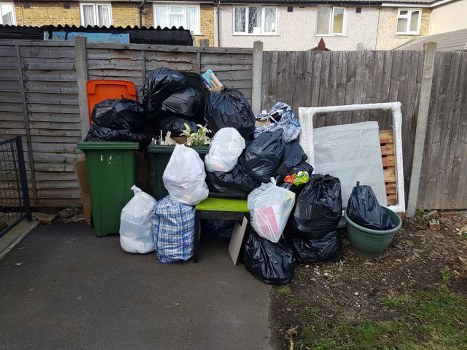
Load-based pricing is ideal for projects where volume is hard to estimate in advance ??? examples include estate cleanouts in older urban row houses, attic dumps from multi-story apartments, or renovation debris from small retail storefronts on busy streets. With load-based pricing we price by the truck or trailer load: factors that affect the total include the type of material, truck size used, and any additional labor required to safely load heavy items.When we quote a load rate, we consider access (stairs, narrow lanes, alley loading), the density of materials (light yard waste vs. heavy concrete or brick), and whether items require disassembly. Our Mega Waste load-based quotes always specify what size truck the rate covers and what types of items are included so you can avoid hidden charges.
Cubic-Yard Pricing Explained
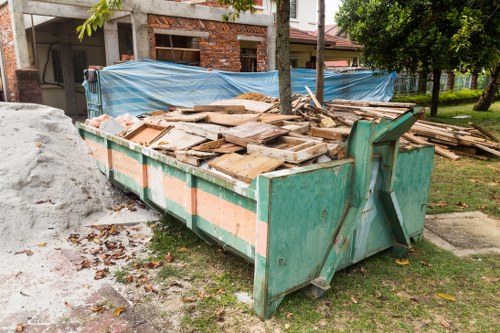
For projects with neatly stacked materials ??? for example, a garage cleanout at a suburban split-level, a roof tear-off stored at the curb in bundles, or landscaping waste from a townhouse ??? cubic-yard pricing is often the most economical. We use standard cubic-yard measurements so you know how many yards your debris occupies. This method works well in tight-access neighborhoods or when materials are compacted and easy to quantify.To make choices simple, here's a quick comparison:
- Load-Based: Best for mixed or bulky waste, unpredictable volume, and heavy, irregular items.
- Cubic-Yard: Best for compact, stackable materials and projects where volume can be measured.
- Weight & Type Considerations: Certain heavy materials may incur extra fees due to disposal rules.
Below are representative example jobs with estimated pricing ranges to help you plan. These are illustrative and meant to show how the two pricing approaches translate into real projects around common property types and busy locations in the area.
Example Job 1 ??? Suburban Single-Family Yard Cleanout: Typical debris: branches, lawn waste, old playset parts, and small furniture. Best pricing: cubic-yard rate if material is piled neatly. Estimate range: the equivalent of 3???6 cubic yards depending on pile compaction ??? often less expensive than a full load for small yards.
Example Job 2 ??? Urban Multi-Unit Move-Out: A downtown apartment complex clearing out several units near transit corridors generates bulky furniture, appliances, and mixed waste. Best pricing: load-based quotes are commonly more accurate due to volume variability and stair access. Estimate range: 1???3 truckloads depending on unit count and elevator availability.
Example Job 3 ??? Small Commercial Remodel on a Busy Strip: Light demo, tile, drywall, and trim removed from a storefront. Best pricing: cubic-yard measurement if debris is stacked and wrapped; load-based if materials are loose and mixed. Typical estimates vary widely with job size, but we provide clear itemization in every quote so you can see what drives the cost.
Common extras that might affect final cost: municipal disposal fees for certain materials, required permits for curbside pickup in busy districts, or additional labor for difficult access. Mega Waste will flag these in your written quote so there are no surprises. We also explain what we do not accept under standard disposal rules.
What???s Included, What???s Not
Most quotes include hauling, disposal fees, and standard labor to load the debris. Hazardous materials (e.g., certain chemicals, asbestos, or pressurized containers) are excluded unless specifically arranged and quoted because they require special handling and facilities. We will always tell you if a disposal item will trigger additional handling charges. Free Quote Policy: Mega Waste offers free, no-obligation quotes so you can make an informed decision. We provide three convenient quoting options: a quick photo estimate based on images you supply, a virtual walk-through via video, or an on-site evaluation for larger or complex projects. All these quote options are provided at no cost and come with a written estimate that outlines the pricing method used ??? load-based or cubic-yard ??? and any potential extra charges.
 When you request a free quote from Mega Waste, expect clear, written details: the method of pricing, the estimated total or range, what???s included, and any assumptions we used for the estimate (access, material type, expected compaction). Our quotes are intended to empower your choice ??? whether you hire us or compare options ??? and they remain valid for a stated period so you can plan with confidence.
We stand by fair and transparent rates: if a project changes materially from the initial scope, we provide an updated quote before proceeding. For property managers, retailers on busy corridors, or homeowners in diverse neighborhoods, our flexible pricing options help you optimize cost and efficiency. Mega Waste pricing is tailored to the real-world constraints of the area ??? narrow alleys, stair-only access, or curbside pickup rules ??? and we factor these into every estimate.
Finally, our pricing philosophy is simple: honesty, clarity, and choice. We explain the difference between a load rate and a cubic-yard rate, show example jobs tied to common property styles and busy locations, and deliver free, no-pressure quotes so you have the information you need to decide. With Mega Waste, you get predictable, itemized pricing and the flexibility to choose the method that best fits your project.
Ready to understand your options? Request a free, no-obligation quote and receive a clear estimate that fits the size and style of your property. We???ll outline whether load-based pricing or cubic-yard rates save you money and provide transparent terms so you can plan your cleanup with confidence.