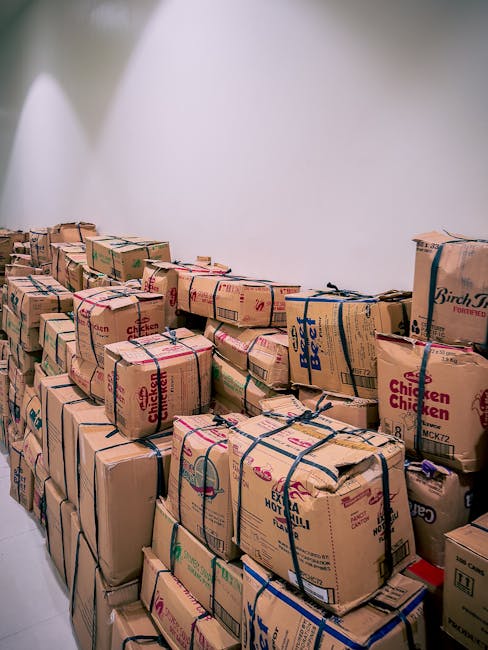
Preparing Large Items for UK Council Bulk Pick-Up: A Practical Guide That Saves Time, Hassle and Rejections
If you are getting rid of a sofa, mattress, wardrobe, fridge or another awkwardly sized item, preparing large items for UK council bulk pick-up is the difference between a smooth collection and a frustrating missed slot. The item itself is only part of the story. Councils usually have rules about what they will take, how it must be presented, where it should be left, and whether it needs dismantling or special handling.
That sounds simple enough until you are standing in a hallway with a bed frame that will not fit through the door and a collection booked for tomorrow morning. This guide walks you through the whole process in plain English, from sorting and measuring to safe placement and common mistakes. You will also find a comparison of collection options, a practical checklist, and sensible next steps if council collection is not the best fit.
For bigger clear-outs, it can also help to understand related services such as bulky waste collection, furniture disposal, mattress disposal, and sofa collection. If you are dealing with mixed household items, house clearance and home clearance pages may also be useful.
Expert summary: The best council bulk collections are the ones prepared like a mini moving day: sorted, measured, cleaned, safe to lift, and left exactly where the council expects. A few minutes of prep can prevent a whole day of delay.
Table of Contents
- Why Preparing Large Items for UK Council Bulk Pick-Up Matters
- How Preparing Large Items for UK Council Bulk Pick-Up Works
- Key Benefits and Practical Advantages
- Who This Is For and When It Makes Sense
- Step-by-Step Guidance
- Expert Tips for Better Results
- Common Mistakes to Avoid
- Tools, Resources and Recommendations
- Law, Compliance, Standards, or Best Practice
- Options, Methods, or Comparison Table
- Case Study or Real-World Example
- Practical Checklist
- Conclusion
- Frequently Asked Questions
Why Preparing Large Items for UK Council Bulk Pick-Up Matters
Council bulk collections are designed to make disposal of large household items more manageable, but they are not a free-for-all. Most councils have limits on item types, item sizes, number of pieces, booking rules, and how the waste must be presented. Preparing properly matters because councils often refuse collections that do not meet those conditions.
Large items can also create practical risks. A heavy wardrobe leaning in a hallway is awkward at best and dangerous at worst. A mattress left outside in wet weather can become heavier, dirtier, and less likely to be collected neatly. A fridge with the door still attached can be a safety issue, especially if children are around. These are small details, but they are the details that make or break the job.
There is also a cost angle. If a collection is missed because items were not ready, you may need to rebook or switch to another solution. That can mean extra time, extra handling, and in some cases extra fees. For households already juggling a move, a renovation, or a declutter, that is the last thing anyone wants.
From a wider perspective, good preparation improves reuse and recycling outcomes too. Councils and contractors can often handle items more efficiently when they are separated correctly and not stuffed with unrelated waste. That is one reason sustainable disposal matters. If you want a deeper look at the environmental side, the recycling and sustainability page is a useful companion read.
How Preparing Large Items for UK Council Bulk Pick-Up Works
Although every council has its own process, the basic flow is usually similar. You book a collection, check what is accepted, prepare the items, place them correctly, and wait for the collection team to remove them. The important part is that "prepare" is not a vague suggestion. It usually means making the item ready for safe lifting and straightforward access.
In many areas, councils ask you to leave bulky items in a place that is easy for crews to reach without entering the property. That might be the kerbside, front boundary, communal refuse area, or another specified location. Some councils will also require items to be separated by type. A mattress may need to be kept apart from a sofa; white goods may need special arrangements; and certain items may need extra steps before they can be taken.
It helps to think of bulk pick-up preparation as three layers:
- Eligibility: Is the item allowed?
- Access: Can the crew reach it safely?
- Condition: Is it ready to be lifted, moved, and handled?
That simple framework reduces most problems before they happen. If you are unsure whether your item falls under standard bulky waste or something more specific, the council large item collection and council waste collection pages can help you compare service types before you book.
Typical items councils are often asked to collect
- Sofas and armchairs
- Mattresses and bed frames
- Wardrobes, tables and chairs
- Fridges, freezers and other white goods
- Small furniture items from flat clear-outs
- Garden furniture or other large household clutter where allowed
Some councils may accept only a limited number of items per booking. Others may separate furniture, electricals, and garden waste into different collection categories. Always check local rules rather than guessing.
Key Benefits and Practical Advantages
Preparing large items properly is not just about avoiding rejection. It gives you more control, less stress, and usually a cleaner result overall. That matters whether you are clearing one sofa or an entire room full of bulky waste.
| Benefit | Why it helps in practice |
|---|---|
| Lower chance of refusal | Items that are sorted, accessible and clearly presented are easier for crews to take. |
| Safer handling | Removed handles, loose glass, sharp edges and trapped debris reduce lifting risks. |
| Faster collection | Crews spend less time checking, moving or sorting items on the day. |
| Better recycling potential | Separated items are easier to route to the right disposal or recovery stream. |
| Less disruption at home | Good prep keeps hallways, pavements and communal areas tidier. |
There is also an emotional benefit that people underestimate. Large-item disposal often happens during a life event: moving house, downsizing, bereavement, refurbishment, or the end of a tenancy. In those moments, the last thing you need is a collection drama. Preparation gives you one less thing to think about.
If your job involves more than one bulky item, you may find it useful to look at services such as bulk waste collection or bulky waste collection, especially if the council process is too restrictive for the volume you have.
Who This Is For and When It Makes Sense
This guide is for anyone trying to get rid of one or more large household items through a council collection route. That includes homeowners, tenants, landlords, estate agents, property managers, and anyone cleaning out a home after a move or refurbishment.
It is especially relevant if you are dealing with items that are cumbersome, dirty, heavy, or awkwardly shaped. Think about the classic problem items: the sofa that seemed to get bigger after three years in the living room, the mattress that has somehow become impossible to bend, or the fridge freezer that has to come out of a tight kitchen nook without causing a scratch on the wall.
This approach makes sense when:
- You have a small number of qualifying large items
- You are happy to follow council booking and presentation rules
- You can safely move the items to the agreed collection point
- You are not in a rush and can work to the council schedule
It may be less suitable when:
- You have a large mixed load
- The item is in a difficult location such as a loft or basement
- You need same-day or next-day clearance
- The items include restricted waste or special handling requirements
For example, if you are clearing a loft full of mixed household items, a dedicated loft clearance or broader rubbish clearance service may fit better than a standard council booking.
Step-by-Step Guidance
Here is the practical part. If you want the collection to go smoothly, follow this order rather than jumping straight to "put it outside and hope for the best."
1) Confirm exactly what the council will take
Start by checking the council's bulky waste rules. Look for accepted item types, size restrictions, booking lead times, and how many items are allowed per visit. Some councils also distinguish between furniture, electricals, mattresses and garden waste. This first step prevents the most common mistake: preparing the wrong item for the wrong service.
2) Measure the item and the route out
Measure the item's height, width and depth, then measure doors, stair turns, lifts and any narrow pinch points. If the item has to move through a flat entrance, communal corridor, or tight hallway, measure those too. A bulky item can be technically "portable" and still be impossible to move in one piece. That is where a quick dismantle saves a lot of grumbling.
3) Decide whether dismantling is needed
Many large items are easier to collect if they are broken down into safer components. Remove table legs, detach headboards, separate wardrobe doors, and fold down mattress protectors if needed. Keep screws, bolts and fittings in a labelled bag taped securely to the item or stored separately for recycling if required.
This is also the point to decide whether the item belongs with a specialist service. A mattress is best handled through mattress collection or bed disposal. A sofa may be better suited to sofa removal or sofa collection. A fridge, meanwhile, often needs fridge disposal or white goods recycle rather than a generic bulk booking.
4) Remove anything that should not be mixed in
Clear out drawers, cupboards, under-seat storage and hidden compartments. Councils usually expect furniture to be emptied. If you leave personal belongings inside, you risk losing them or delaying the crew while they check the item. It is a small job that pays off immediately.
5) Clean and secure the item
You do not need to make it showroom-ready, but a basic clean helps. Wipe off loose dirt, empty liquids, tape loose doors shut, and secure any dangling parts. If the item has broken glass, exposed springs, sharp splinters or loose panels, make it safe before collection. This is especially important for items left in shared spaces.
6) Place the item in the correct location
Put the item exactly where the council says. That might be outside your boundary, at the front of the property, or in a communal collection point. Do not block pavements, exits or driveways. If the item is in a sheltered or rear area, make sure access is clear enough for a crew to reach it without entering private space unnecessarily.
7) Check the time window and rules on collection day
Collection days can be early. Very early. If you have ever discovered that a collection was attempted before you had even found your slippers, you will know why this matters. Keep the item ready the evening before if possible, and check whether you need to be present or simply keep access clear.
8) Keep proof and booking details handy
Save the booking confirmation, reference number and any special instructions. If you have been told to leave items in a specific place, take a quick photo beforehand. That gives you a simple record if there is any later disagreement about whether the item was presented correctly.
Expert Tips for Better Results
In our experience, the best bulk pick-ups are rarely the most complicated ones. They are the ones where someone thought ahead by ten minutes. That is the whole game.
- Stack smartly: If you have several items, place the smallest or lightest items in front so crews can reach them easily.
- Keep electricals separate: Do not bundle a broken lamp, a microwave and a sofa together unless the council explicitly says that is fine.
- Use straps or tape sparingly: Enough to hold a door shut or stop parts swinging, but not so much that crews must spend time cutting layers of tape.
- Avoid wet-weather surprises: If rain is forecast, cover the item only if the council permits it and the cover will not hide what the item is.
- Think about lifting points: Handles, side panels and clear edges make life easier for collection teams.
- Plan for parking and access: In busy streets, a clear front space can matter as much as the item itself.
If you are clearing an entire property, it is worth thinking in categories rather than individual items. For example, a garage clear-out may produce old shelving, broken tools and furniture all at once, which is exactly the kind of mixed load that a garage clearance service is designed to handle. Similarly, a garden clear-out may be better matched to garden clearance.
Small observation, but useful: tape tends to do more harm than good if it is overused. A little is practical; a wrestling match with packaging tape is not.
Common Mistakes to Avoid
Most failed collections come down to a handful of predictable issues. If you avoid these, you are already ahead of the pack.
- Assuming all large items are accepted: Some councils exclude certain electricals, construction waste or hazardous materials.
- Leaving items inside the property: If the collection point is outside, the crew may not enter to retrieve them.
- Forgetting to empty drawers and cabinets: Loose contents can cause delays or rejection.
- Mixing unrelated waste together: A sofa stuffed with rubbish is not a sofa collection item anymore.
- Blocking access: Cars, bins, planters and bikes can all prevent a smooth lift.
- Misjudging the size: A couch that seems manageable in the lounge can become a stairwell problem very quickly.
- Booking the wrong service: Bulky waste, furniture disposal and white goods recycling are not always interchangeable.
One common issue is overconfidence about assembly and dismantling. If the item was originally built by two people and a suspiciously optimistic instruction manual, give yourself enough time to take it apart safely. Rushing that job usually creates sharper edges, missing screws and extra frustration.
Tools, Resources and Recommendations
You do not need a garage full of specialist equipment to prepare large items well. A few simple tools will handle most jobs.
- Measuring tape
- Screwdriver set or Allen keys
- Utility knife for packaging and tape
- Strong bin bags for loose fixings
- Marker pen and labels
- Work gloves
- Dust sheet or blanket for moving items without scuffing floors
- Camera phone for booking photos and records
For more general disposal and uplift planning, you may also want to explore waste collection, waste disposal, and waste removal if your project goes beyond a single bulky piece. If the items are a mix of old chairs, tables and storage units, furniture clearance and furniture collection are often more fitting routes.
When comparing providers, pay attention to more than price alone. Check whether they explain access requirements clearly, whether they handle recycling responsibly, and whether they offer transparent booking information. You can usually learn a lot from a provider's pricing and quotes page and their about us information.
Law, Compliance, Standards, or Best Practice
Council collections are local services, so the exact rules vary by area. That means the safest approach is always to follow your own council's published guidance rather than relying on a neighbour's experience from last year. Best practice is simple: present only the items allowed, in the location requested, and in a condition that can be handled safely.
There are also wider duty-of-care expectations around waste. In practical terms, that means you should not abandon items on the street, block public access, or mix controlled waste with general household items. If an item contains anything hazardous, sharp, or electrically unsafe, it may need a different route.
Electrical and white goods often deserve extra attention. Fridges and freezers may need specialist treatment because of refrigerants and components that cannot be treated like plain furniture. That is why pages such as fridge disposal and white goods recycle exist as separate services rather than being folded into generic uplift.
From a safety point of view, take care with items that have broken glass, sharp metal edges, mould, pests or unstable structures. If a large item seems unsafe to move, stop and reassess. For a trusted alternative, review a provider's health and safety policy and insurance and safety information before booking.
Options, Methods, or Comparison Table
Not every bulky item needs the same route. The best option depends on urgency, item type, number of pieces and how much lifting you want to do yourself.
| Method | Best for | Pros | Watch-outs |
|---|---|---|---|
| Council bulk pick-up | Small number of accepted household items | Often cost-effective; familiar local process | Restricted item types, booking delays, limited flexibility |
| Specialist bulky waste service | Sofas, mattresses, white goods, multiple large items | More flexible; useful for awkward loads | May cost more than a council booking |
| Household or full-property clearance | Mixed loads, moves, bereavement clear-outs, heavy clutter | Handles volume and variety efficiently | May be more than you need for a single item |
| DIY removal to a disposal site | People with suitable vehicle access and loading ability | Direct control, potentially quick if you have time | Heavy lifting, travel time, site rules, vehicle limitations |
The council route is often the simplest when you have one or two straightforward items. But if you are already looking at a flat clearance, a loft full of mixed belongings, or a whole room of furniture, the numbers can change quickly. At that point, it is worth comparing against flat clearance or office clearance if the contents are not purely domestic.
Case Study or Real-World Example
Consider a typical two-bedroom flat in London. The residents have sold a sofa, replaced a mattress, and are clearing a broken wardrobe before a move. At first glance, this feels like a standard council bulk collection. But once they check the rules, they realise the wardrobe must be dismantled, the mattress needs to be left separately, and the sofa has to be placed in the front communal area rather than inside the building.
They spend an hour measuring the hallway, removing the wardrobe doors, bagging screws, and moving the pieces to the agreed point the evening before. The mattress is kept dry and the sofa is taped closed only where needed. The result? No panic on collection day, no missed access, and no need to reschedule.
Now compare that with the version most people fear: the collection crew arrives, finds the wardrobe still assembled, the hallway blocked by a pram, and the fridge in the wrong place. Same items, completely different outcome. Preparation is the quiet difference.
If the flat had also contained garden waste, broken shelving, and extra unwanted items from storage, the better route might have been a broader home clearance or even waste clearance solution instead of a council-only pick-up.
Practical Checklist
Use this checklist the day before collection. It is short on purpose, because short checklists get used.
- Check the council booking reference and collection window
- Confirm that every item is allowed under the service rules
- Measure doorways, hallways and the item itself
- Dismantle anything that cannot be moved safely in one piece
- Empty drawers, cupboards and hidden storage spaces
- Remove loose, sharp or fragile parts
- Bag screws, bolts and fittings separately
- Clean off dirt, food residue or debris where practical
- Place the item in the exact location requested
- Keep access clear for the crew and avoid blocking pavements
- Take a photo of the item and its position, if useful
- Keep the booking details and contact number nearby
Quick reminder: If the item is in a loft, garage, basement or tight upper-floor room, consider whether the council route is still the easiest choice. Services such as garage clearance, loft clearance and rubbish removal can save a lot of lifting and back-and-forth.
Conclusion
Preparing large items for UK council bulk pick-up is mostly about clarity: clear on what the council accepts, clear on where the item needs to go, and clear on whether the item should be dismantled or separated first. Once you treat it as a small project rather than a last-minute chore, the process becomes far easier.
The wins are straightforward. You reduce the chance of refusal, keep the property safer, make the crew's job easier, and avoid unnecessary delays. That is good for you, good for the collection team, and usually better for recycling too. And if the council route turns out to be too limited, you now know which alternatives to compare.
For a straightforward quote, a transparent booking, or help with larger household clear-outs, explore the relevant service pages and choose the route that fits the volume and urgency of your item.
Get a free quote today and see how much you can save.
Frequently Asked Questions
What counts as a large item for council collection?
Usually, it is anything too big or heavy for normal household bin collection, such as sofas, mattresses, wardrobes, tables, and many white goods. The exact definition varies by council, so always check local rules before you book.
Do I need to dismantle furniture before a bulk pick-up?
Not always, but dismantling often helps if the item is awkward to move or would block access. Flat-pack furniture, wardrobes and bed frames are common examples where partial dismantling makes collection safer and easier.
Where should I leave bulky waste for the council?
Leave it exactly where your council instructs, often at the kerbside, front boundary or communal collection point. Do not assume crews will enter your home, garden or rear access area unless that is clearly stated.
Can I put a mattress out with other furniture?
Sometimes yes, sometimes no. Some councils allow mixed bookings; others separate mattresses from other items. It is best to check whether the council has a dedicated mattress collection process or specific bulky-waste rules.
What if my sofa has loose cushions or broken parts?
Remove cushions and secure any loose or dangling parts before collection. If the sofa is damaged, make sure there are no sharp edges, exposed springs or loose glass fragments that could create a handling risk.
Will the council take my fridge or freezer?
Some councils do, but electricals can have special rules. A fridge or freezer may need to be booked separately or handled through a specialist route such as fridge disposal or white goods recycle.
What happens if I miss the collection time?
If the item is not ready or not in the right place, the council may refuse the collection. In many cases, you will need to rebook. That is why it is sensible to prepare the evening before and keep access clear on the day.
Is council bulk collection cheaper than private removal?
It often is, but the trade-off is flexibility. Council collections can be more cost-effective for a small number of items, while private services may be better for urgent, heavy or mixed-load clearances.
Can I use bulk pick-up for garden waste or builders' waste?
Not usually as a default. Some councils have separate arrangements for garden waste or construction debris. For larger jobs, a service like garden clearance or builders waste clearance may be more suitable.
Do I need to be at home when the collection happens?
Usually not, but you do need to follow the council's instructions carefully. If the item is in a shared or exposed location, make sure it is clearly accessible and that any booking notes are correct.
What should I do with screws, fittings and small parts?
Bag them separately and label them if needed. If the council asks for dismantled furniture to be presented as separate components, keep the fixings together so nothing gets lost or left sharp on the floor.
When should I choose a full clearance service instead?
If you have several large items, a mixed household load, or difficult access, a dedicated clearance service is often the better choice. Pages such as house clearance and furniture disposal are good places to compare what is possible.