Mega Waste: Recycling and Sustainability
 Mega Waste is committed to transforming how waste is managed across our boroughs and neighbourhoods. Our recycling percentage target is ambitious but achievable: we aim to reach 70% recycling of household and commercial waste by 2030, with interim milestones that steer every collection, transfer and sorting decision. As Mega Waste and MegaWaste teams work together with councils and communities, we track progress transparently and invest in practical improvements so residents and businesses can see the impact.
The mega waste approach emphasises source separation, practical reuse and low-carbon logistics. Mega Waste recycling and sustainability programmes prioritise materials recovery, composting of food and garden waste, and diverting bulky items to charity and re-use partners. By combining local transfer stations, targeted outreach and modern vehicle fleets, our services are designed for measurable improvement in diversion rates and carbon reduction.
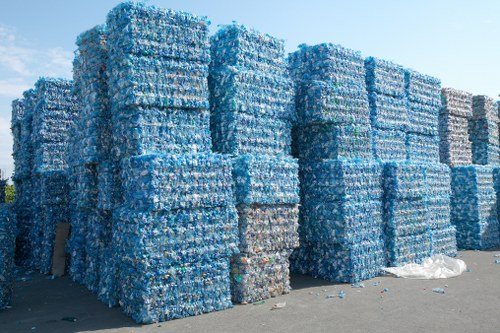 Local transfer stations are a core part of our network. These strategically located facilities across the boroughs allow for efficient consolidation, sorting and onward delivery of recyclables. At these transfer stations we separate mixed recycling further, bale paper and cardboard, prepare glass for specialist processing and segregate wood and scrap metal. Transfer points reduce haulage distances, lower emissions and enable close coordination with material recovery facilities and re-use charities.
How boroughs approach waste separation
Most local authorities we partner with ask residents to separate waste into clear streams: glass and bottles, paper and card, mixed cans and plastic, food waste (often in small caddies), garden waste and residual refuse. The boroughs' approach varies by neighbourhood but the principles remain consistent: source separation makes materials more valuable and easier to recycle. Mega Waste sustainability advisors support rollouts of kerbside food collections, communal recycling banks for high-rise blocks, and targeted campaigns to reduce contamination of recycling boxes.
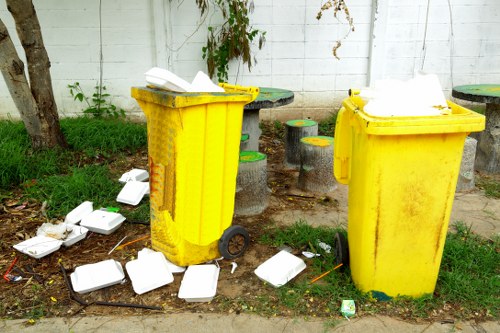 We also work with housing associations and business improvement districts to pilot subscription-based garden waste collections, communal compactors for high-footfall areas and small-scale composting hubs. These initiatives support the circular economy by keeping organic matter out of landfill and returning compost to community gardens and green spaces.
Partnerships with charities and re-use networks
Partnerships are central to our re-use strategy. Mega Waste collaborates with local charities to redirect reusable furniture, working appliances, clothing and household goods away from disposal and into new homes. Our collection crews are trained to identify items suitable for donation and to coordinate bulk handovers to charity partners. These relationships reduce waste, support vulnerable people and extend the service life of many products.
Our recycling percentage target is backed by clear operational steps: greater segregation at source, improved material capture at local transfer stations, investment in sorting technologies and scale-up of charity partnerships. We monitor composition analyses so we know what proportion of residual waste could realistically be recycled or re-used with better separation. Data-driven decisions help us focus on glass, plastics and food waste streams where gains are largest.
![A large green waste skip positioned on a paved area, filled with black rubbish bags composed of plastic and other household waste materials. The skip is situated outdoors, with a background of a metal fence, trees, and some greenery, indicating a residential or community environment. To the right of the skip, there is a pile of loose rubbish, including paper, plastic bottles, and discarded debris, scattered on the ground. The scene appears to be part of a rubbish removal operation, with the skip ready for collection or ongoing waste disposal, aligning with services provided by Mega Waste in local areas such as [POSTCODE] or [TOWN]. The setting suggests an environment where waste management and recycling efforts are being carried out responsibly, situated in an outdoor public or private space, with natural light illuminating the scene.](/pub/_photos/rubbish/f1892696064.jpg) Low-carbon vans and fleet upgrades reduce the emissions associated with collection. Mega Waste has introduced a growing fleet of electric and hybrid collection vans for local routes, plus LPG or low-emission HGVs for bulk transfers. Route optimisation software, combined with consolidated transfer station stops, cuts mileage and idling time. These measures together help lower the carbon footprint per tonne collected, aligning Mega Waste sustainability efforts with local carbon reduction goals.
Low-carbon vans and fleet upgrades reduce the emissions associated with collection. Mega Waste has introduced a growing fleet of electric and hybrid collection vans for local routes, plus LPG or low-emission HGVs for bulk transfers. Route optimisation software, combined with consolidated transfer station stops, cuts mileage and idling time. These measures together help lower the carbon footprint per tonne collected, aligning Mega Waste sustainability efforts with local carbon reduction goals.
We support a range of recycling activity tailored to local needs, including:
- Glass and bottle banks in high-use community locations;
- Paper and cardboard kerbside collections for households and small businesses;
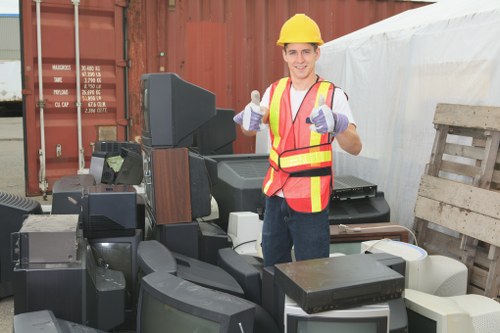
- WEEE recycling for small electronics and white goods, routed to certified processors;
- Textile banks and charity pick-ups for clothing reuse;
- Food waste collections and composting programs to divert organics.
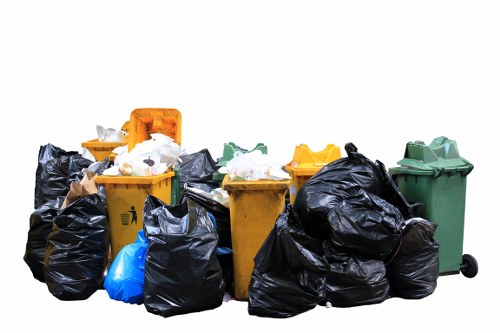 MegaWaste recognises that behaviour change matters as much as technology. We invest in clear labelling at communal points, multilingual outreach materials, and targeted education in schools and community centres so residents understand which items belong in each stream. By reducing contamination, we increase the yield of recyclable material and lower processing costs, which helps drive up the overall recycling rate.
Our promise is simple: continue to expand low-carbon logistics, deepen partnerships with charities and local authorities, and hit measurable recycling percentage targets while serving every neighbourhood equitably. Whether you call us Mega Waste, mega waste services, or Mega Waste recycling, our focus remains the same???turning waste into resources, reducing carbon and supporting vibrant, circular communities.